Tokyo
Best for: Maximum job, culture, rail and neighborhood choice.
Watch: Housing cost is only half the question; line choice and transfers determine the daily experience.
Asia · WorldSimple country guide
Japan is exceptionally easy to move around once you understand the transport system, but housing setup and the rules for remote work require more deliberate planning.
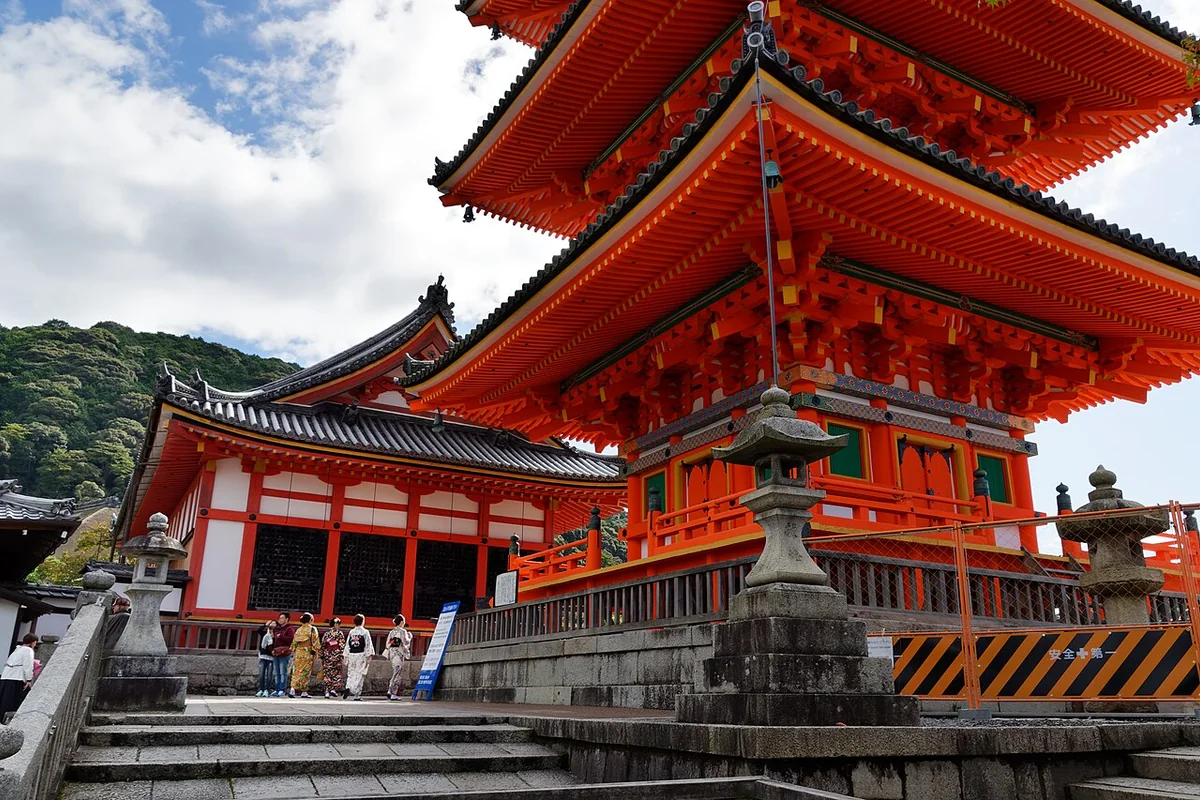 Kyoto, Japan
Choose your base
Best for: Maximum job, culture, rail and neighborhood choice.
Watch: Housing cost is only half the question; line choice and transfers determine the daily experience.
Best for: Large-city convenience with easy access to Kyoto, Kobe and wider Kansai.
Watch: Choose the rail corridor based on weekday life, not tourist landmarks.
Best for: Compact big-city life, airport access and a lower-friction urban scale.
Watch: It is a different base for nationwide trips, so price long-distance travel separately.
01
In Japanese cities, a property that looks farther from the center can still be more convenient if it sits on the right direct rail line. Compare walking time to the station, number of transfers, last-train practicality and grocery access.
Short-term furnished accommodation removes setup friction. Conventional leases can involve more paperwork and one-time costs, so compare the full move-in total rather than monthly rent alone.
02
Japan's Immigration Services Agency provides a Designated Activities status for eligible digital nomads doing international remote work. The period of stay is six months and cannot be extended. The official rules also state that a residence card is not issued under this status.
Applicants must meet nationality or region eligibility, have annual income of at least JPY 10 million and hold qualifying private medical insurance. The status does not permit employment under a contract with a Japanese public or private organization.
03
Japan's tourism authority recommends prepaid IC cards such as Suica and PASMO for convenient use across many railways, buses and other services. They are ideal for day-to-day urban travel.
The Japan Rail Pass is a separate decision. It can be useful for intensive intercity itineraries, but a long-stay visitor who mostly travels locally may spend less using an IC card plus individual long-distance tickets. Price the journeys you actually plan.
04
Set up transport payment, data, an address you can reliably use, and a backup card. Learn your nearest supermarket, late-night route home and local emergency information. Japan becomes much easier once these repeatable routines are solved.
Checked 2026-10-07
Rules change. Use these references as a starting point and recheck time-sensitive information with the competent official authority.
Use anywhere
A practical method for comparing rent, transport, food and lifestyle costs before you move.
Read guideA simple relocation budget covering deposits, temporary housing, transport and the first three months.
Read guideA slow-travel framework for neighborhood, transport, groceries, workspace and everyday life.
Read guideCleaning fees, deposits, utilities, laundry and transport can change the real price of a stay.
Read guide